

Kayat’sya, the Grey Sentinel
Kayat’sya is not numbered among the old and orderly gods.
He did not rise in the first warmth of creation, nor take his place as son or daughter in any divine house. He was born of damage. Of sorrow. Of the long stain left by the war against the Titan and all the corruption that followed. Where the greater gods fought, suffered, sacrificed, and endured, something else was forged in the ruin behind them. Not a healing. Not a mercy. A harder thing. A darker thing. A sentinel shaped from grief sharpened into purpose and hatred taught to walk upright.
So the old tales speak of him.
He is called the Grey Sentinel, the Vengeful, the watcher who sees only the wound and the hand that made it. He loves what is light, wild, and free, but he loves it with the frightening devotion of one who believes such things can survive only if every source of corruption is cut away without hesitation or pity. There is no softness in him. No patience for ambiguity. He does not believe evil can be managed, studied, endured, or slowly redeemed. It must be found. It must be ended.
This is why the other gods tolerate him more than they welcome him. In gentler times he might have been driven out or broken by the measured powers. But this is not a gentle age. The world remains scarred. The Titan still presses at its edges. Exos Umbros still move in the dark. Against such threats, even a cruel blade may be left hanging on the wall.
That has always been the danger of Kayat’sya. He is useful. He is often right. He is simply terrible at knowing when to stop.
Many theologians hesitate to call him evil, yet few name him good without reservation. He stands for law, judgment, strength, protection, and a harsh, unyielding glory. His faithful say he is the hand that does not tremble, the blade that does not pity rot, the oath that does not bend when darkness pleads for nuance.
His justice carries the scent of revenge because he was born from revenge’s aftermath. He hunts real evils with the fervor of one who cannot easily tell cleansing from cruelty. He sees the world in absolutes: the innocent must be protected, the corrupt must be destroyed, the unnatural has forfeited all claim to mercy. There are no half-measures. No comforting exceptions. No room for the long redemptive labor of Settraes, the balanced weighing of Nesmerleth, or the maternal mercy of Eanna.
He is a god of necessary excess. A warning in divine form. The answer that goes too far and keeps going because it cannot imagine virtue in restraint.
His followers are known as the Grey Vigil, also called the Unforgiving, the Sentinel’s Blade, or Kayat’sya’s Shadow. They do not move like a respectable priesthood. There are no grand temples, no gentle parish rites, no comfortable place in daily life. They appear where corruption is suspected: where graves have gone wrong, where beasts have been twisted, where a village has grown too quiet, where something wearing a human face no longer deserves the name.
They arrive in ash-colored cloaks and plain armor. They ask hard questions. They do not smile often. Sometimes they do not introduce themselves at all.
In places long plagued by darkness, their coming can bring desperate relief. In places at peace, it more often brings dread. Their work is excision. They protect by purging. Their mercy is usually nothing more than swiftness.
The Vigil speaks of defending the natural order, not soft pastoral harmony, but the rightful shape of life and death, the honest predator, the uncorrupted creature, the clean separation between soul and fate. They reserve their deepest hatred for what mocks this order: Exos Umbros, soul-binding vampires, necromancers who shackle the dead, corrupted bloodlines, Titan-tainted horrors that erode the laws of existence itself.
They do not see themselves as enforcers of preference. They believe they are enforcing reality.
This conviction gives them fearsome strength and recurring monstrousness. A person who truly believes they are cutting rot from the world can justify almost anything.
The Grey Vigil is loose in structure and fierce in local autonomy. Small cells of hunters, judges, and scarred priest-warriors operate across ruins, borderlands, plague villages, and secret infestations. They answer, loosely, to High Sentinels and Grey Judges, but intensity matters more than hierarchy.
Many Vigilants are former victims of darkness. Grief has sharpened into purpose. Some hear Kayat’sya’s call because they never want another to suffer as they did. Others can no longer tell the difference between preventing suffering and avenging their own.
Their most visible practice is the black-and-white trial: swift investigation, testimony, and judgment delivered on the spot, sometimes in the open, sometimes in blood. Punishments range from exile to execution. To their defenders this is grim efficiency. To their critics it is crude zeal wearing holy language.
The truth lies in the discomforting middle. Sometimes their swiftness has saved villages. Sometimes fear and certainty have created new atrocities.
When a target is declared truly corrupt, the pursuit does not end until it is finished. The Grey Vigil tracks through fen, ruin, catacomb, and blasted waste. They are frighteningly effective against clear monsters. They are most dangerous when the corruption is less clear.
Their rare communal rites are severe. Fire and ash. Confession. Silence. The naming of enemies. The point is not comfort but hardening, to leave reminded of what they serve and what they must become to serve it.
One of the most feared names is High Sentinel Lucius, a scarred man with one blind white eye. Exos Umbros destroyed his family. What remained of him gave itself wholly to Kayat’sya. He has led some of the order’s harshest and most successful hunts. Even within the Vigil he is watched. That alone says much.
No major order rests easily beside the Grey Vigil.
The Scalebearers understand their purpose best and approve of their spirit least. The Mothers of the Ardent Dawn openly disapprove of their disregard for frailty and mercy. The Stone Oathkeepers and others offer wary respect at best. The Thornclaws sometimes find common ground in ferocity and culling, though even they find the Vigil too absolute. The Mothmarked are watched with special suspicion, too many secrets, too much comfort with ambiguity.
The Grey Vigil endures because the world has not yet become safe enough to reject them.
If the dead stayed dead, if shadow never wore human faces, if corruption could be reasoned with, perhaps they would have been driven out long ago. But the world remains broken enough that even terrible guardians still have purpose.
Some praise this as proof that Kayat’sya was sent for such an age. Others whisper, more quietly, that he may be one of the wounds the age has not yet learned how to close.
Both thoughts can live in the same village. Both may even be true.
He did not rise in the first warmth of creation, nor take his place as son or daughter in any divine house. He was born of damage. Of sorrow. Of the long stain left by the war against the Titan and all the corruption that followed. Where the greater gods fought, suffered, sacrificed, and endured, something else was forged in the ruin behind them. Not a healing. Not a mercy. A harder thing. A darker thing. A sentinel shaped from grief sharpened into purpose and hatred taught to walk upright.
So the old tales speak of him.
He is called the Grey Sentinel, the Vengeful, the watcher who sees only the wound and the hand that made it. He loves what is light, wild, and free, but he loves it with the frightening devotion of one who believes such things can survive only if every source of corruption is cut away without hesitation or pity. There is no softness in him. No patience for ambiguity. He does not believe evil can be managed, studied, endured, or slowly redeemed. It must be found. It must be ended.
This is why the other gods tolerate him more than they welcome him. In gentler times he might have been driven out or broken by the measured powers. But this is not a gentle age. The world remains scarred. The Titan still presses at its edges. Exos Umbros still move in the dark. Against such threats, even a cruel blade may be left hanging on the wall.
That has always been the danger of Kayat’sya. He is useful. He is often right. He is simply terrible at knowing when to stop.
A God Born Crooked from a Just Cause
Many theologians hesitate to call him evil, yet few name him good without reservation. He stands for law, judgment, strength, protection, and a harsh, unyielding glory. His faithful say he is the hand that does not tremble, the blade that does not pity rot, the oath that does not bend when darkness pleads for nuance.
His justice carries the scent of revenge because he was born from revenge’s aftermath. He hunts real evils with the fervor of one who cannot easily tell cleansing from cruelty. He sees the world in absolutes: the innocent must be protected, the corrupt must be destroyed, the unnatural has forfeited all claim to mercy. There are no half-measures. No comforting exceptions. No room for the long redemptive labor of Settraes, the balanced weighing of Nesmerleth, or the maternal mercy of Eanna.
He is a god of necessary excess. A warning in divine form. The answer that goes too far and keeps going because it cannot imagine virtue in restraint.
The Grey Vigil
His followers are known as the Grey Vigil, also called the Unforgiving, the Sentinel’s Blade, or Kayat’sya’s Shadow. They do not move like a respectable priesthood. There are no grand temples, no gentle parish rites, no comfortable place in daily life. They appear where corruption is suspected: where graves have gone wrong, where beasts have been twisted, where a village has grown too quiet, where something wearing a human face no longer deserves the name.
They arrive in ash-colored cloaks and plain armor. They ask hard questions. They do not smile often. Sometimes they do not introduce themselves at all.
In places long plagued by darkness, their coming can bring desperate relief. In places at peace, it more often brings dread. Their work is excision. They protect by purging. Their mercy is usually nothing more than swiftness.
The Work They Believe Has Been Given to Them
The Vigil speaks of defending the natural order, not soft pastoral harmony, but the rightful shape of life and death, the honest predator, the uncorrupted creature, the clean separation between soul and fate. They reserve their deepest hatred for what mocks this order: Exos Umbros, soul-binding vampires, necromancers who shackle the dead, corrupted bloodlines, Titan-tainted horrors that erode the laws of existence itself.
They do not see themselves as enforcers of preference. They believe they are enforcing reality.
This conviction gives them fearsome strength and recurring monstrousness. A person who truly believes they are cutting rot from the world can justify almost anything.
Their Shape in the World
The Grey Vigil is loose in structure and fierce in local autonomy. Small cells of hunters, judges, and scarred priest-warriors operate across ruins, borderlands, plague villages, and secret infestations. They answer, loosely, to High Sentinels and Grey Judges, but intensity matters more than hierarchy.
Many Vigilants are former victims of darkness. Grief has sharpened into purpose. Some hear Kayat’sya’s call because they never want another to suffer as they did. Others can no longer tell the difference between preventing suffering and avenging their own.
Judgment Without Patience
Their most visible practice is the black-and-white trial: swift investigation, testimony, and judgment delivered on the spot, sometimes in the open, sometimes in blood. Punishments range from exile to execution. To their defenders this is grim efficiency. To their critics it is crude zeal wearing holy language.
The truth lies in the discomforting middle. Sometimes their swiftness has saved villages. Sometimes fear and certainty have created new atrocities.
Purity Hunts
When a target is declared truly corrupt, the pursuit does not end until it is finished. The Grey Vigil tracks through fen, ruin, catacomb, and blasted waste. They are frighteningly effective against clear monsters. They are most dangerous when the corruption is less clear.
The Vigil of Light
Their rare communal rites are severe. Fire and ash. Confession. Silence. The naming of enemies. The point is not comfort but hardening, to leave reminded of what they serve and what they must become to serve it.
High Sentinel Lucius
One of the most feared names is High Sentinel Lucius, a scarred man with one blind white eye. Exos Umbros destroyed his family. What remained of him gave itself wholly to Kayat’sya. He has led some of the order’s harshest and most successful hunts. Even within the Vigil he is watched. That alone says much.
The Uneasy Company They Keep
No major order rests easily beside the Grey Vigil.
The Scalebearers understand their purpose best and approve of their spirit least. The Mothers of the Ardent Dawn openly disapprove of their disregard for frailty and mercy. The Stone Oathkeepers and others offer wary respect at best. The Thornclaws sometimes find common ground in ferocity and culling, though even they find the Vigil too absolute. The Mothmarked are watched with special suspicion, too many secrets, too much comfort with ambiguity.
Why They Endure
The Grey Vigil endures because the world has not yet become safe enough to reject them.
If the dead stayed dead, if shadow never wore human faces, if corruption could be reasoned with, perhaps they would have been driven out long ago. But the world remains broken enough that even terrible guardians still have purpose.
Some praise this as proof that Kayat’sya was sent for such an age. Others whisper, more quietly, that he may be one of the wounds the age has not yet learned how to close.
Both thoughts can live in the same village. Both may even be true.
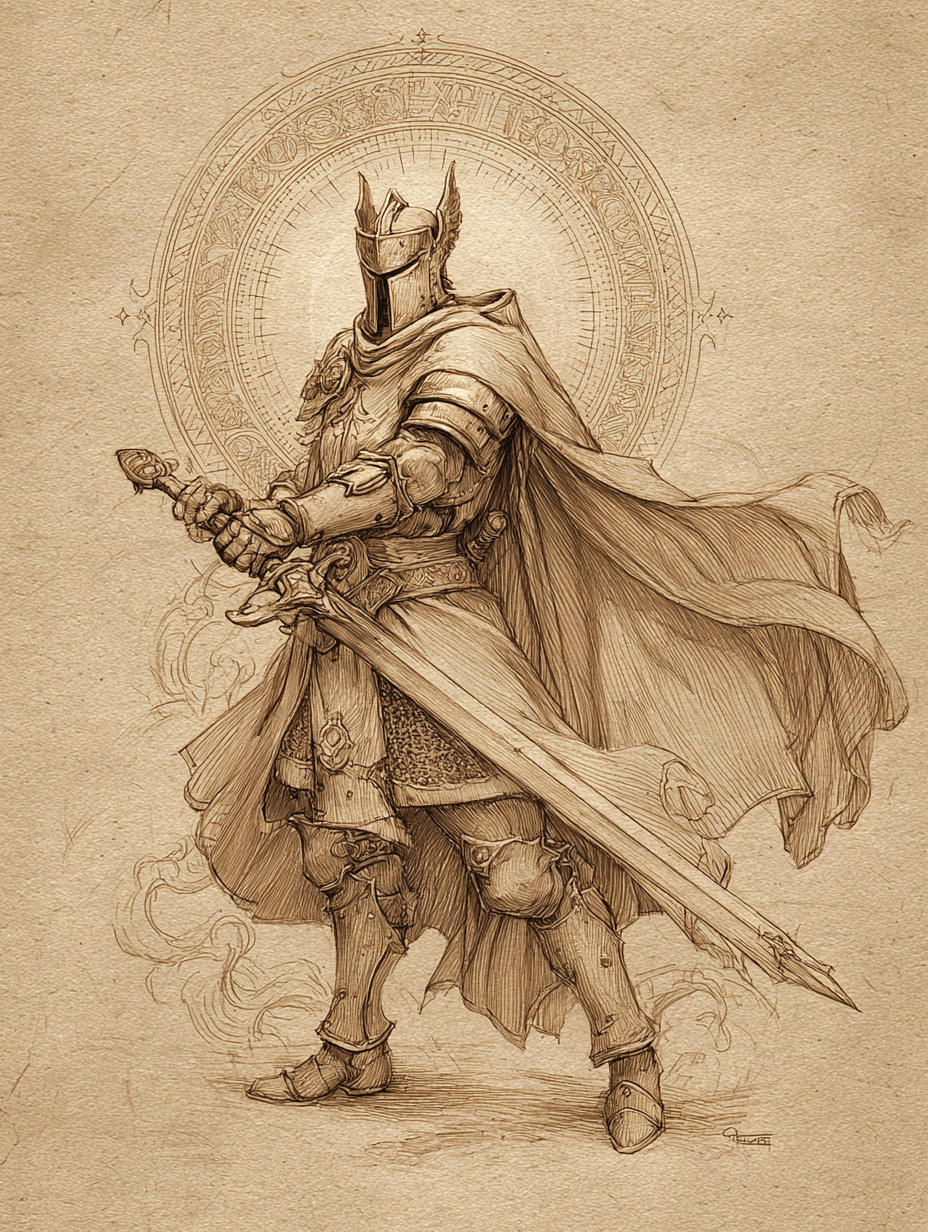
Divine Title: Kayat’sya, the Grey Sentinel, the Vengeful, the Bleak Judgement
Alignment: Lawful Neutral
Favored Weapon: Executioner’s Blade
Domains: Law, Judgement, Glory, Strength, War, Protection
Primary Worshippers: Zealots, inquisitors, corruption hunters, survivors of Titan-taint, those devoted to harsh justice
Major Order: The Grey Vigil, also called the Unforgiving, the Sentinel’s Blade, or Kayat’sya’s Shadow
Common Symbols: Grey blades, ash marks, the pale eye, fire in darkness, severed chains, light cast on hidden corruption
Sacred Places: Temporary chapter houses, ruined shrines reclaimed by force, ash-circle camps, trial grounds, strongholds on blighted frontiers
Sacred Virtues: Resolve, purity, vigilance, severity, incorruptibility, ruthless protection of the innocent
Alignment: Lawful Neutral
Favored Weapon: Executioner’s Blade
Domains: Law, Judgement, Glory, Strength, War, Protection
Primary Worshippers: Zealots, inquisitors, corruption hunters, survivors of Titan-taint, those devoted to harsh justice
Major Order: The Grey Vigil, also called the Unforgiving, the Sentinel’s Blade, or Kayat’sya’s Shadow
Common Symbols: Grey blades, ash marks, the pale eye, fire in darkness, severed chains, light cast on hidden corruption
Sacred Places: Temporary chapter houses, ruined shrines reclaimed by force, ash-circle camps, trial grounds, strongholds on blighted frontiers
Sacred Virtues: Resolve, purity, vigilance, severity, incorruptibility, ruthless protection of the innocent
Children


Comments