
Fjollum
In the far northeast of Kresla, where the sea darkens and the wind forgets gentleness, there stands an island that was never meant to be ruled by crown.
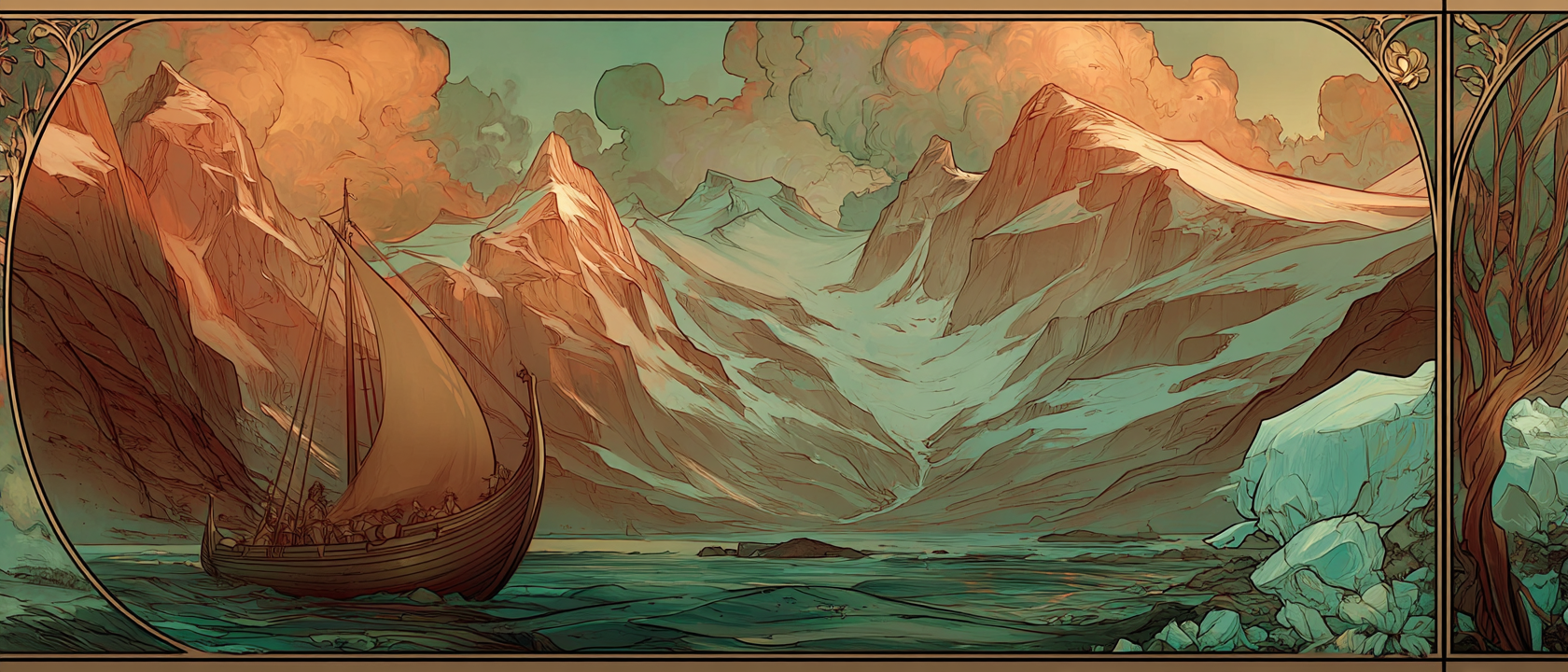
Fjollum does not rise from the water so much as it tears itself free of it. Its cliffs plunge straight into churning surf. Its fjords cut deep and narrow into black rock, like old wounds that never fully closed. Storms gather here without invitation, rolling in from the open sea with thunder that shakes roots and sends salt spray high upon stone.
It is said that Tarsaralei herself favors these waters.
It is also said she does not favor lightly.
Beyond the trees, the land grows harsher still. Cragged mountains thrust upward, not smooth and sweeping like distant ranges, but jagged and abrupt, their peaks torn by frost and wind. In the far north, the forests thin into tundra where only the hardiest grasses survive. Snow lingers long into spring. The sky stretches immense and cold.
And always, the sea presses close.
Deep fjords carve into the island’s heart, forming natural harbors that have sheltered longships for generations. Offshore rocks and scattered isles stand like sentinels against invasion. The coastline is treacherous to the uninitiated, generous only to those who know its currents as kin.
Its authority flows through clans, ancient lineages bound by oath, memory, and blood. Each clan holds its own lands: forest settlement, mountain hold, cliffside fortress. Each is led by a chieftain whose power rests not in decree, but in earned loyalty.
At seasonal moots, the chieftains gather at Highcrag Hold, a fortress carved directly into sea-cliff and stone. There, beneath beams darkened by smoke and age, disputes are aired, alliances negotiated, and threats weighed.
Consensus binds the island.
Without it, clans act as they will.
In times of dire need, a High Chieftain may rise, not crowned, but chosen. Even then, authority depends upon respect, not obedience.
This structure has preserved Fjollum’s independence for centuries.
Ash drifted from distant eruptions, darkening forests and poisoning streams. Storms intensified, as though the sea itself responded to upheaval. Entire coastal villages vanished beneath sudden landslides or were swallowed by waves made unnatural by unseen forces.
The clans endured as they always had, by retreating into mountain holds, tightening bonds, and surviving winter after winter.
Children learn to row before they learn to read. They learn to track game through wet forest, to judge wind by scent, to mend sail and sharpen blade. Strength is admired, but reliability commands deeper respect. A boast unproven is worse than silence.
Longhouses stand at the heart of settlements, their interiors warm with firelight and heavy with carved beams that tell clan history in wood and knotwork. Sagas are recited not merely for entertainment, but to bind generations together. To be remembered well is a form of immortality.
Hospitality is sacred. A guest who shares salt and hearth is under protection until departure. To betray such sanctuary invites exile, or feud that may last lifetimes.
Festivals are fierce but measured. During Stormwake, warriors stand upon cliffs and shout challenges into the wind, honoring Tarsaralei’s tempest. In winter, wrestling pits and axe-throwing contests determine honor as much as celebration. Mead flows, but never to the point of dishonor.
Words are chosen carefully in Fjollum.
Yet reverence in Fjollum is not confined to temple walls.
Redwoods are treated as ancient sentinels. Mountain echoes are believed to carry ancestral counsel. The aurora that dances across winter sky is read as omen.
Shamans and druids interpret these signs. They tend sacred groves, perform rites during strange tides, and advise chieftains when storms behave outside known patterns.
In recent seasons, the aurora has taken on a faint crimson edge at its brightest arcs.
Few speak of it openly.
When horns sound, clans answer. Warriors gather with round shields painted in clan colors, axes and spears in hand. Armor is practical, layered wool, hardened leather, mail where available. Some fight in controlled fury, entering battle as if carried by storm itself.
Longships remain Fjollum’s greatest strength. Sleek and shallow-drafted, they navigate fjords and open water alike. In fog, they move like ghosts. In clear weather, they strike swiftly and vanish before retaliation gathers.
In forest and mountain, Fjollumen are nearly impossible to dislodge. They know every ravine, every hidden path, every place where rock may be loosened to fall upon advancing enemies.
They do not seek conquest, but they will defend their island with unrelenting force.
Now that distance narrows.
Crimson sails have been sighted beyond outer isles. Wyvern shapes have crossed cloudbanks at dawn. Refugees speak of Southern Etruria’s fall and Kolyama’s fracture.
At recent moots, voices have risen in tension.
Some argue that the sea and cliff are shield enough. Others warn that waiting is not protection. High Chieftain Eirik Stormhowl urges preparedness and unity.
Meanwhile, strange carcasses have washed ashore along northern tundra. Creatures not native to Fjollum’s waters. In certain fjords, foam gathers black during stormtide, lingering longer than it should.
The island has endured tempest before. Yet this storm does not smell of salt alone.
Fjollum does not rise from the water so much as it tears itself free of it. Its cliffs plunge straight into churning surf. Its fjords cut deep and narrow into black rock, like old wounds that never fully closed. Storms gather here without invitation, rolling in from the open sea with thunder that shakes roots and sends salt spray high upon stone.
It is said that Tarsaralei herself favors these waters.
It is also said she does not favor lightly.
The Bones of the North
The interior of Fjollum is dominated by forest so ancient it seems to watch travelers from between shaddowed branches. Black pine stands thick across the hills, and redwoods rise in cathedral silence, their trunks vast and scarred by centuries of wind. Moss drapes from branches like old memory. Light filters down in narrow shafts, never fully claiming the forest floor.Beyond the trees, the land grows harsher still. Cragged mountains thrust upward, not smooth and sweeping like distant ranges, but jagged and abrupt, their peaks torn by frost and wind. In the far north, the forests thin into tundra where only the hardiest grasses survive. Snow lingers long into spring. The sky stretches immense and cold.
And always, the sea presses close.
Deep fjords carve into the island’s heart, forming natural harbors that have sheltered longships for generations. Offshore rocks and scattered isles stand like sentinels against invasion. The coastline is treacherous to the uninitiated, generous only to those who know its currents as kin.
The Clans That Endure
Fjollum has never bowed to a singular monarch.Its authority flows through clans, ancient lineages bound by oath, memory, and blood. Each clan holds its own lands: forest settlement, mountain hold, cliffside fortress. Each is led by a chieftain whose power rests not in decree, but in earned loyalty.
At seasonal moots, the chieftains gather at Highcrag Hold, a fortress carved directly into sea-cliff and stone. There, beneath beams darkened by smoke and age, disputes are aired, alliances negotiated, and threats weighed.
Consensus binds the island.
Without it, clans act as they will.
In times of dire need, a High Chieftain may rise, not crowned, but chosen. Even then, authority depends upon respect, not obedience.
This structure has preserved Fjollum’s independence for centuries.
The Memory of Ash
When the Fall shattered Kresla, Fjollum did not collapse in flame as arcane cities did. It had no towering spires of magic to topple, no centralized throne to fracture. Yet it was not untouched.Ash drifted from distant eruptions, darkening forests and poisoning streams. Storms intensified, as though the sea itself responded to upheaval. Entire coastal villages vanished beneath sudden landslides or were swallowed by waves made unnatural by unseen forces.
The clans endured as they always had, by retreating into mountain holds, tightening bonds, and surviving winter after winter.
Culture of Strength and Silence
Fjollum life is built upon endurance.Children learn to row before they learn to read. They learn to track game through wet forest, to judge wind by scent, to mend sail and sharpen blade. Strength is admired, but reliability commands deeper respect. A boast unproven is worse than silence.
Longhouses stand at the heart of settlements, their interiors warm with firelight and heavy with carved beams that tell clan history in wood and knotwork. Sagas are recited not merely for entertainment, but to bind generations together. To be remembered well is a form of immortality.
Hospitality is sacred. A guest who shares salt and hearth is under protection until departure. To betray such sanctuary invites exile, or feud that may last lifetimes.
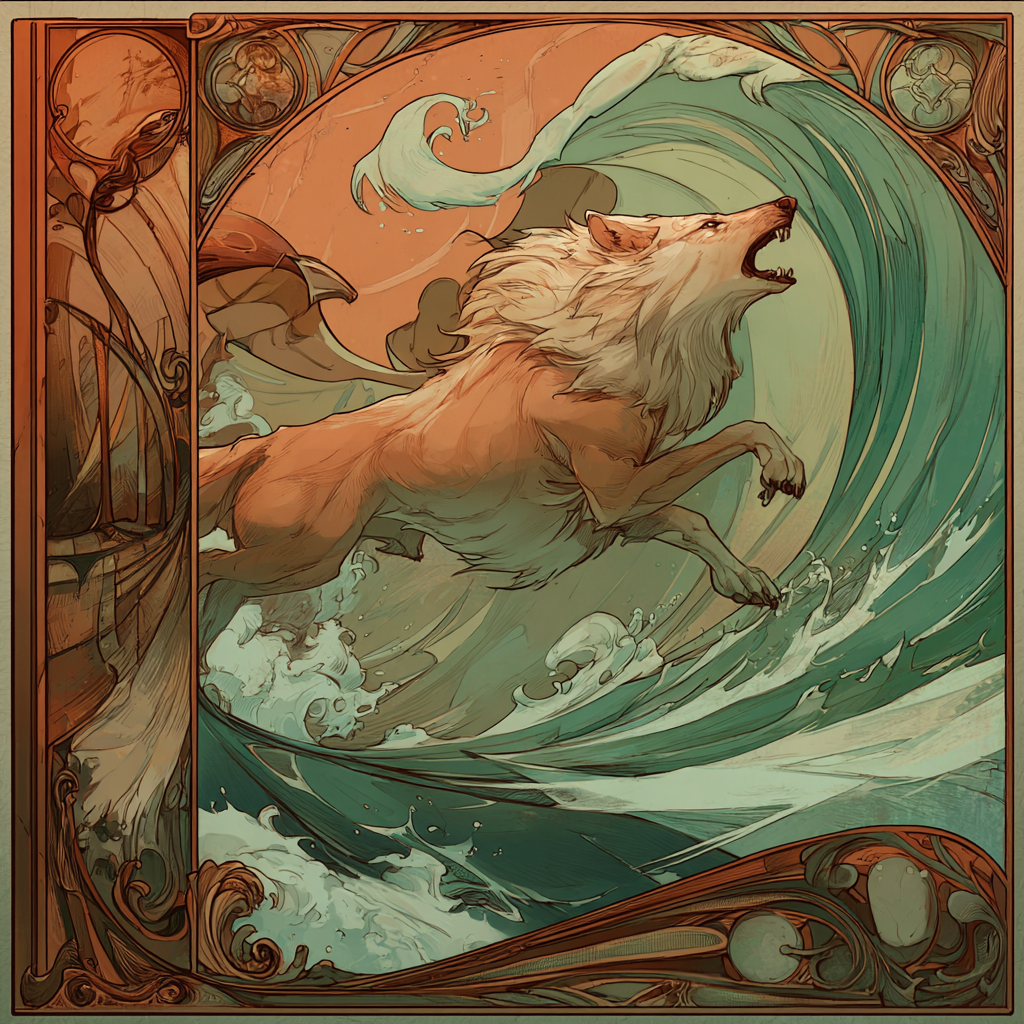
Festivals are fierce but measured. During Stormwake, warriors stand upon cliffs and shout challenges into the wind, honoring Tarsaralei’s tempest. In winter, wrestling pits and axe-throwing contests determine honor as much as celebration. Mead flows, but never to the point of dishonor.
Words are chosen carefully in Fjollum.
Faith Beneath the Northern Lights
Tarsaralei’s presence is strongest here, invoked in storm and sea. Driftwood idols guard harbor mouths. Offerings are cast into the water before voyages. Fishermen murmur quiet prayers to waves that can nourish or annihilate without warning.Yet reverence in Fjollum is not confined to temple walls.
Redwoods are treated as ancient sentinels. Mountain echoes are believed to carry ancestral counsel. The aurora that dances across winter sky is read as omen.
Shamans and druids interpret these signs. They tend sacred groves, perform rites during strange tides, and advise chieftains when storms behave outside known patterns.
In recent seasons, the aurora has taken on a faint crimson edge at its brightest arcs.
Few speak of it openly.
War in the Wind
Fjollum does not maintain standing armies.When horns sound, clans answer. Warriors gather with round shields painted in clan colors, axes and spears in hand. Armor is practical, layered wool, hardened leather, mail where available. Some fight in controlled fury, entering battle as if carried by storm itself.
Longships remain Fjollum’s greatest strength. Sleek and shallow-drafted, they navigate fjords and open water alike. In fog, they move like ghosts. In clear weather, they strike swiftly and vanish before retaliation gathers.
In forest and mountain, Fjollumen are nearly impossible to dislodge. They know every ravine, every hidden path, every place where rock may be loosened to fall upon advancing enemies.
They do not seek conquest, but they will defend their island with unrelenting force.
The Darkening Horizon
For generations, Fjollum believed itself distant from the ambitions of mainland powers. It traded timber and furs, occasionally sent mercenary bands south, and returned to its storms.Now that distance narrows.
Crimson sails have been sighted beyond outer isles. Wyvern shapes have crossed cloudbanks at dawn. Refugees speak of Southern Etruria’s fall and Kolyama’s fracture.
At recent moots, voices have risen in tension.
Some argue that the sea and cliff are shield enough. Others warn that waiting is not protection. High Chieftain Eirik Stormhowl urges preparedness and unity.
Meanwhile, strange carcasses have washed ashore along northern tundra. Creatures not native to Fjollum’s waters. In certain fjords, foam gathers black during stormtide, lingering longer than it should.
The island has endured tempest before. Yet this storm does not smell of salt alone.
Regional Ledger
Government: Clan moot led by elected High Chieftain in times of war Capital / Moot Seat: Highcrag Hold Population: ~220,000 scattered among fjords and highland valleys
Major Settlements
Highcrag Hold
Stormhaven
Redpine Harbor
Skarholm
Primary Exports
Timber from ancient pine and redwood forests
Furs and hides
Salted fish and whale oil
Mercenary warbands
Primary Imports
Grain and preserved foodstuffs
Fine metals and crafted armor
Mead and wine from southern lands
Trade Routes
Longship trade along northeastern coasts
Occasional caravan routes through Bleak Pass into Daggenfell
Military Strength
Clan warbands totaling ~12,000 warriors
~300 longships across clan fleets
Strategic Importance
Control of northeastern sea lanes
Natural fortress island resistant to invasion


Comments