
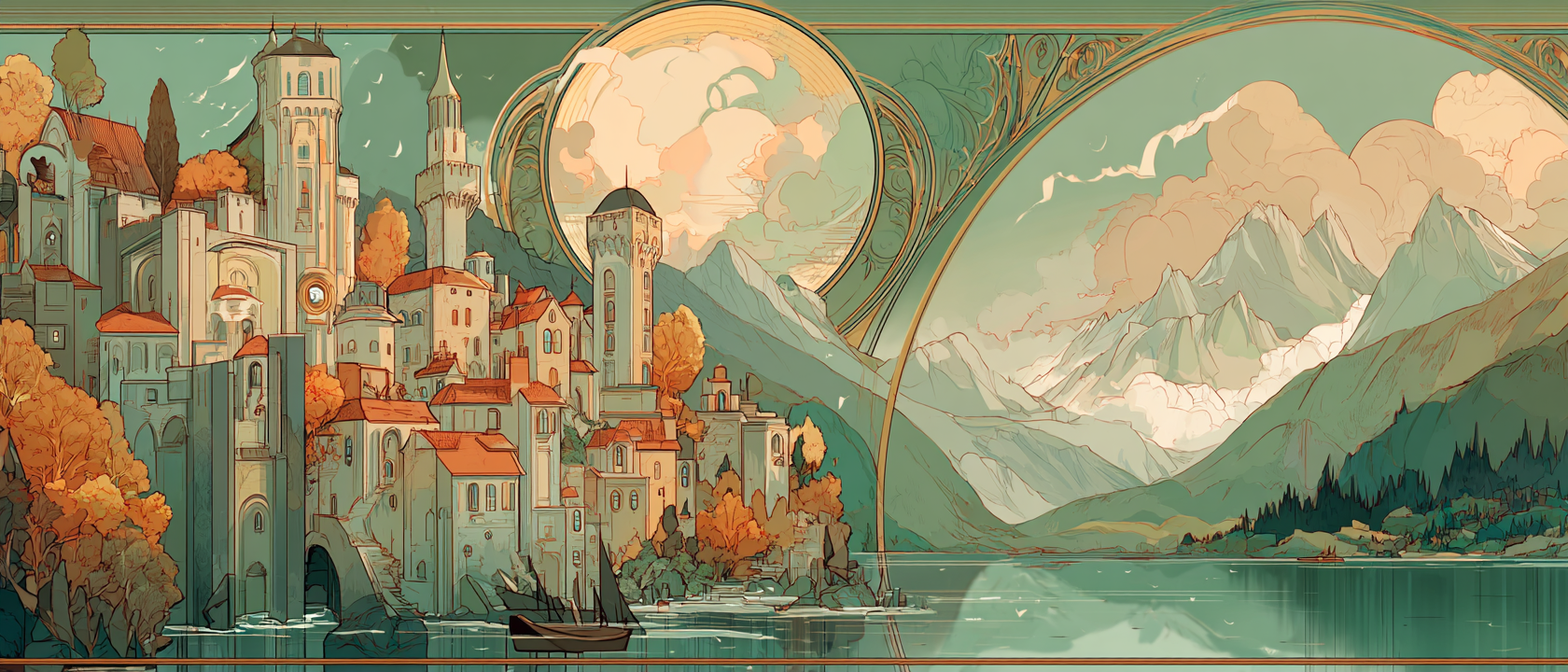
Balonnor
Before its banners ever flew in disciplined ranks, before queens bore the weight of crown and council, the land that would become Balonnor was a broken mosaic of minor lords and stone keeps. Every ridge bore a tower. Every valley held a petty king. Mines were seized and lost in the span of seasons. Forests burned for pride rather than necessity. Blood watered the hills more often than rain.
It was a land of strength without cohesion.
Then, across the sea, came the storm.
The Balonnor family did not arrive as guests. They came in ships heavy with soldiers and purpose, bearing a vision the fractured highlands could not yet comprehend. Their armies moved not as scattered warbands but as a singular force. Where local lords squabbled, they advanced. Where rival banners clashed, they crushed both beneath a greater standard.
The unification was not gentle. Keeps were torn down. Lineages extinguished. Oaths were bent into new shapes. Yet from the ash of countless small tyrannies rose something greater than any one of them had managed alone.
A kingdom.
Balonnor.
The Land of Stone and Burden
The realm stretches across rugged hills and forested uplands where the earth is rich with ore and the bedrock runs deep. Granite veins cut through the mountains. Marble lies hidden beneath soil that demands labor to coax grain from it. Timber stands thick in certain valleys, but never in excess.
It is not a soft land, and its people are not soft for living upon it.
To farm in Balonnor is to wrestle with rock. To mine its hills is to descend into darkness thick with dust and heat. To build its cities is to carve permanence from stubborn earth. That labor has shaped the culture as surely as any law.
Balonnori prize endurance above charm, competence above rhetoric. They admire rulers who stand their ground. They measure worth not in ornament, but in what survives winter.
The capital rises in tiered stone upon a defensible height, its walls thick and deliberate. It is not the most beautiful city in Kresla, but it is one of the most secure. Courtyards echo with the clangor of training blades. Banners hang in ordered lines. Statues are carved not for vanity but for remembrance.
Balonnor builds for permanence.
The Turning of the Crown
The early reigns of the Balonnor line were firm and at times merciless, for unity must first be imposed before it can be inherited. Yet as generations passed, ambition shifted from conquest to preservation. Mines were regulated. Roads were fortified. A hierarchy of noble ranks crystallized, knight, lord, count, duke, and beyond, each bound by obligation as much as privilege.
Still, power corrupts even structured authority.
There came a season when weak rulers stripped rights from those beneath them. Greed sharpened. The common folk bore the weight. Expansionist folly led armies into the Silver Mist Hills, where elven resistance shattered them and left pride bleeding in the fog.
The kingdom trembled.
It was then that the Righteous King rose.
He was not remembered for grand conquest, but for restraint. He codified protections for the peasantry. He bound the nobility to legal limits that could not easily be undone by whim. He restored dignity not through spectacle, but through structure.
His queen, of House Aiza, tempered iron with grace. Together they forged a renewed legitimacy.
Their daughter inherited not only a crown, but expectation.
The Banner in the Canyon
When the next great trial came, it did not announce itself politely.
An invading force from beyond known shores struck with speed and cruelty. Cities burned. Trade faltered. The royal army was drawn into a canyon, boxed in by sheer rock and encircling steel.
There was no retreat.
The soldiers faltered. Fear crept like frost across their ranks.
Queen Livia did not retreat.
She took the banner.
She rode forward into a wall of enemies that outnumbered her own, her horse cut down beneath her. For a moment, it seemed the line had broken entirely, that Balonnor would end in that narrow throat of stone.
Then the banner rose again.
In that moment of shame and clarity, the soldiers followed.
The canyon ran red before it ran silent. The invaders were slaughtered to the last.
It was after that day that the Council of Lords decreed what many had already begun to believe: Balonnor would henceforth be ruled by queens.
Not because men were incapable.
But because courage had been proven.
And memory matters in Balonnor.
The Structure of Power
Balonnor’s nobility is layered and deliberate. Every title carries duty as well as authority. Knights serve years before claiming full status. Counts and margraves guard borders not merely for prestige but for the kingdom’s survival. Elector princes advise, but do not command without consensus.
The Council of Lords stands as both support and restraint to the throne. It is not a ceremonial body. It has teeth.
In times of unity, this structure strengthens the crown.
In times of uncertainty, it fractures.
The Vanishing
The current queen departed eastward on diplomatic mission and did not return.
No body was recovered. No clear word arrived. Only silence.
Her daughter, Isabella Aiza, assumed the throne in what many call necessity and others call presumption. Half the council stands firmly behind her, citing continuity and survival in a time of continental crisis. The other half insists that without confirmed death, succession is incomplete.
Whispers move through corridors like cold drafts.
Was the queen captured? Betrayed? Slain by foreign intrigue? Or taken by forces older and darker than politics?
But while the lord of Balonnor debate, the Warlord advances.
A Culture of Measured Fury
Balonnorian life moves with deliberate rhythm. Training yards ring at dawn. Legal petitions are heard with seriousness. Festivals celebrate harvest and victory, but rarely descend into excess.
The people expect their rulers to be visible, accountable, and unflinching. Weakness is not despised, but evasion is.
Faith in Eanna and Aldanoc runs deep, though expressed often in modest shrines and disciplined ceremony rather than flamboyant display. The gods are honored through action, not only prayer.
Children grow up on stories of Queen Livia’s charge and the Righteous King’s reforms. They are taught that strength without justice is tyranny, and justice without strength is folly.
Balonnor’s greatest virtue has always been its ability to endure correction without collapsing.
The question now is whether that endurance remains.
The Sword at the Center
Militarily, Balonnor remains formidable. Heavy cavalry ride beneath disciplined banners. Infantry lines are drilled in coordinated formations. Border garrisons stand ready along trade routes and vulnerable passes.
If united, Balonnor could anchor resistance across Kresla.
If divided, its strength becomes invitation.
Harrowfell watches the misted hills. Narvik weighs alliance against profit. Kolyama looks north in quiet desperation. Daggenfell hesitates in its mountain halls. Northern Etruria seeks partnership against the sea-borne threat.
All eyes turn, sooner or later, toward Balonnor.
For at the heart of the continent stands a crown forged in conquest and tempered in reform.
Whether that crown will shine as shield, or crack beneath the strain, is a matter not of destiny, but decision.
And Balonnor has never feared hard decisions.
Structure
Noble Ranks
These ranks, from lowest to highest in power, are the ruling classes of Balonnor Knights - Anyone can be a knight, but every knight must first spend four years as a hedge knight, then they can become a knight of the realm and can join a noble family. Knight Master - can command 30 knights Lord/Lady Baron/ess Altgrave (old families predating the Balonnorian ranks) Burgrave (castle count) Count Margrave (Marquee - border count) Count(ess) Palatine Duke/Duchess Grand Prince(ss) Grand Duke/Duchess Archduke/Archduchess Elector Prince(ss) Queen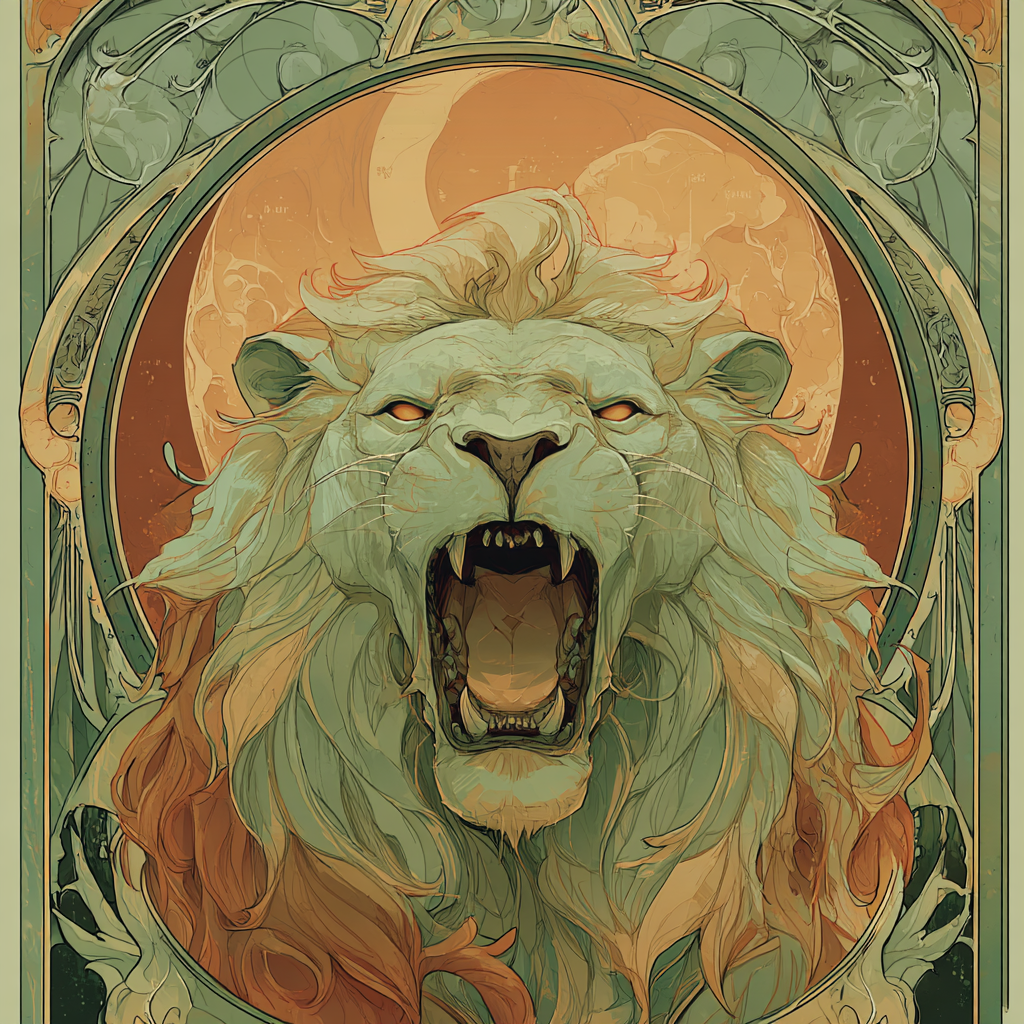


Comments